Building in Two Markets: What California and Utah Teach Each Other
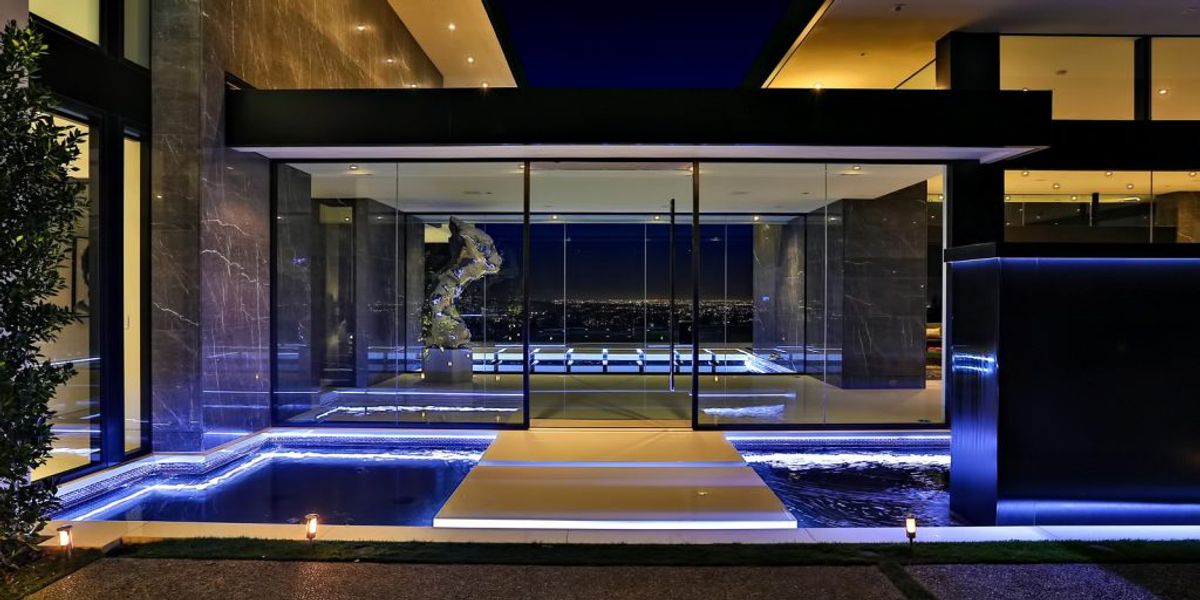
Roderick Builders started in Los Angeles. The company cut its teeth on architecturally demanding homes in the hills above Sunset — places where the site itself is the first engineering challenge and every material choice gets scrutinized by architects who've built all over the world. That work shaped how we think about construction: precision first, shortcuts never.
A few years ago, we expanded to Utah's Wasatch Back — Park City, Heber Valley, Midway, and the communities taking shape along the mountain corridor. It wasn't a pivot. It was a second education. Building at altitude, in a climate that swings from triple-digit summers to subzero winters, demands a completely different set of instincts. And it turns out that learning to build in both places makes you better at each one.
What California Teaches You
Los Angeles luxury construction is defined by its architects. The city attracts designers who push boundaries — cantilevered structures, walls of glass, rooflines that defy intuition. Building homes like the Thrasher Avenue estate or Stradella means solving problems that don't have textbook answers. How do you waterproof a flat roof with zero pitch? How do you make a glass wall structural? How do you build on a hillside where the geology changes every twenty feet?
California also teaches you to work with the best. The architect and design community in LA is world-class, and builders who last in that market learn to collaborate at a level that's rare elsewhere. When Fabio Rigo de Righi brought his vision to Benloch Ranch, we already spoke his language — not because we'd worked with him before, but because we'd spent years translating ambitious architectural intent into buildable reality.
What Utah Teaches You
Mountain building is humbling. The Wasatch Back sits between 5,500 and 7,500 feet, and the weather doesn't care about your construction schedule. Concrete pours have temperature windows. Framing crews lose weeks to snow. Materials behave differently when it's fifteen below. You learn patience, and you learn to plan for conditions that coastal builders never face.
Utah also teaches you about building envelopes in a way that California simply can't. When the temperature differential between inside and outside can exceed seventy degrees, every detail of insulation, air sealing, and moisture management matters. The homes we build at Benloch Ranch are engineered to perform in extremes — and that knowledge travels back to our California projects, where desert heat and wildfire smoke are creating new demands for sealed, efficient structures.
Where the Two Markets Meet
The real advantage isn't geographic — it's the cross-pollination. Techniques we developed for Utah's extreme climate improve our California energy performance. The architectural problem-solving we refined in LA elevates our mountain home designs. Material knowledge from one market prevents mistakes in the other.
There's a practical benefit too. Our supply chain spans both regions, which means we can source the best materials regardless of where a project sits. When a Utah project calls for a specific stone that's quarried in Southern California, or a California client wants reclaimed timber from the mountain west, we already have the relationships and logistics in place.
One Standard, Two Landscapes
Trapper Roderick oversees the business across both markets, ensuring the same quality standard whether a home is going up in Bel Air or Benloch. Travis Roderick leads the California builds, bringing deep relationships with LA's architecture and design community to every project. It's a family operation that scales through trust, not through volume.
The homes look different — a modern lodge in Park City and a contemporary showplace in Bel Air share a construction philosophy, not a style. What they share is the thing that matters most: every detail considered, every system engineered to last, every decision made as if the builder's own name is on it. Because it is.
Frequently Asked Questions
How does building in California compare to building in Utah?
California and Utah have fundamentally different building challenges. California deals with seismic requirements, strict environmental regulations, and extreme construction costs ($800-$2,000+/sqft in LA). Utah faces altitude challenges, extreme weather, and snow loads but offers 30-50% lower construction costs and faster permitting.
What advantages does a builder with dual-market experience offer?
A builder who works in both markets brings the best of each world. From California, we bring cutting-edge design trends, premium material sourcing, and experience with the highest-end clients. From Utah, we bring mountain building science, cold-climate engineering, and efficient construction practices.
Why are California buyers building in Park City?
California buyers are drawn to Park City for world-class skiing, lower taxes, accessible private communities, and the mountain lifestyle — all while maintaining proximity to a major airport. Many are building second homes or relocating entirely. Roderick Builders understands both markets and helps California clients navigate the Utah building landscape.
What should out-of-state buyers know about building in Park City?
Key considerations include understanding permitting jurisdictions (Summit County vs. Wasatch County vs. Park City Municipal), snow load requirements, altitude impacts on construction, and the seasonal construction calendar. Roderick Builders manages the entire process for remote clients through our virtual project management systems.
How does Roderick Builders support remote clients building in Utah?
We provide weekly video walkthroughs, real-time Buildertrend portal access, monthly virtual meetings, and a dedicated project manager. Many of our clients visit the site only 3-4 times during the entire 14-20 month build process while staying fully informed and involved.