For Families Rebuilding
We Cannot Replace
What Was Lost.
No one can. What we can do is help you build the place where the next thirty years of memories happen — and be honest with you, from the first conversation, about what that will actually take.
What Was Actually Lost
It Was Never Just a House.
A house is glass and framing and a roof over it. What burned was not that.
It was the pencil marks climbing a door frame. The corner where the tree went every December. The counter where somebody learned to crack an egg. The particular way the light came through one window in October. Years of a family, held inside a building.
None of that appears on an insurance schedule, and none of it can be rebuilt. We would not insult you by suggesting otherwise.
We did not lose a home in that fire, and we will not pretend to know what this has been. But our family has spent five generations building the places where other families keep their lives. We know what a house is actually for. That is precisely why we take seriously what it means to put one back.
A door frame with nothing written on it yet.
That is what we are actually building.
What We Can Do
Build the Place Where the Next Ones Happen.
You will not get the old house back. You may get something that holds the next thirty years as well as the last thirty did — a door frame for new pencil marks, a corner for the tree, a kitchen where somebody else learns to crack an egg.
That is the whole of what a builder can honestly offer a family after a fire. It is not everything. It is not nothing either.
And the most useful thing anyone can hand you right now is not sympathy. It is an honest number — because the single thing most likely to stand between you and that house is a rebuild estimate that was never real to begin with.
The Problem Nobody Names Early Enough
The Estimate Is Not the Cost.
Carrier rebuild estimates across the Palisades have largely been written at figures well below what these homes take to rebuild in this market. The number arrives looking official — line-itemed, adjusted, signed — and it quietly becomes the budget in a family’s mind before anyone has priced a single real assembly.
Then the true cost surfaces one selection at a time, eighteen months in, when there is nothing left to cut but the house you were trying to get back. Nobody lied to you. A number simply went unchecked.
The right time to find that gap is now — while it is still a negotiation with your carrier, and not a compromise in your kitchen.
What We Will Do, At No Cost
Send Us Your Scope. We Will Tell You What It Is Missing.
Send the rebuild estimate your carrier produced. We will read it the way a builder reads a bid — against real assemblies, current subcontractor pricing, and what your specific lot will actually demand — and write you back with what we find.
Where the scope is priced below what the work costs today, line by line, in dollars.
What the estimate omits entirely — site work, utilities, soils and foundation conditions, code upgrades triggered by rebuilding.
What your policy language may still entitle you to that has not been claimed.
An honest range for putting this house back, so you can plan against a real number.
No obligation, and no meeting required. It is yours to keep and use with whatever builder you choose. We would rather you rebuild well with someone else than rebuild blind with us.
Or call Travis in Los Angeles — (310) 658-3288
So That It Holds
We Have Built a House the Fire Went Over.
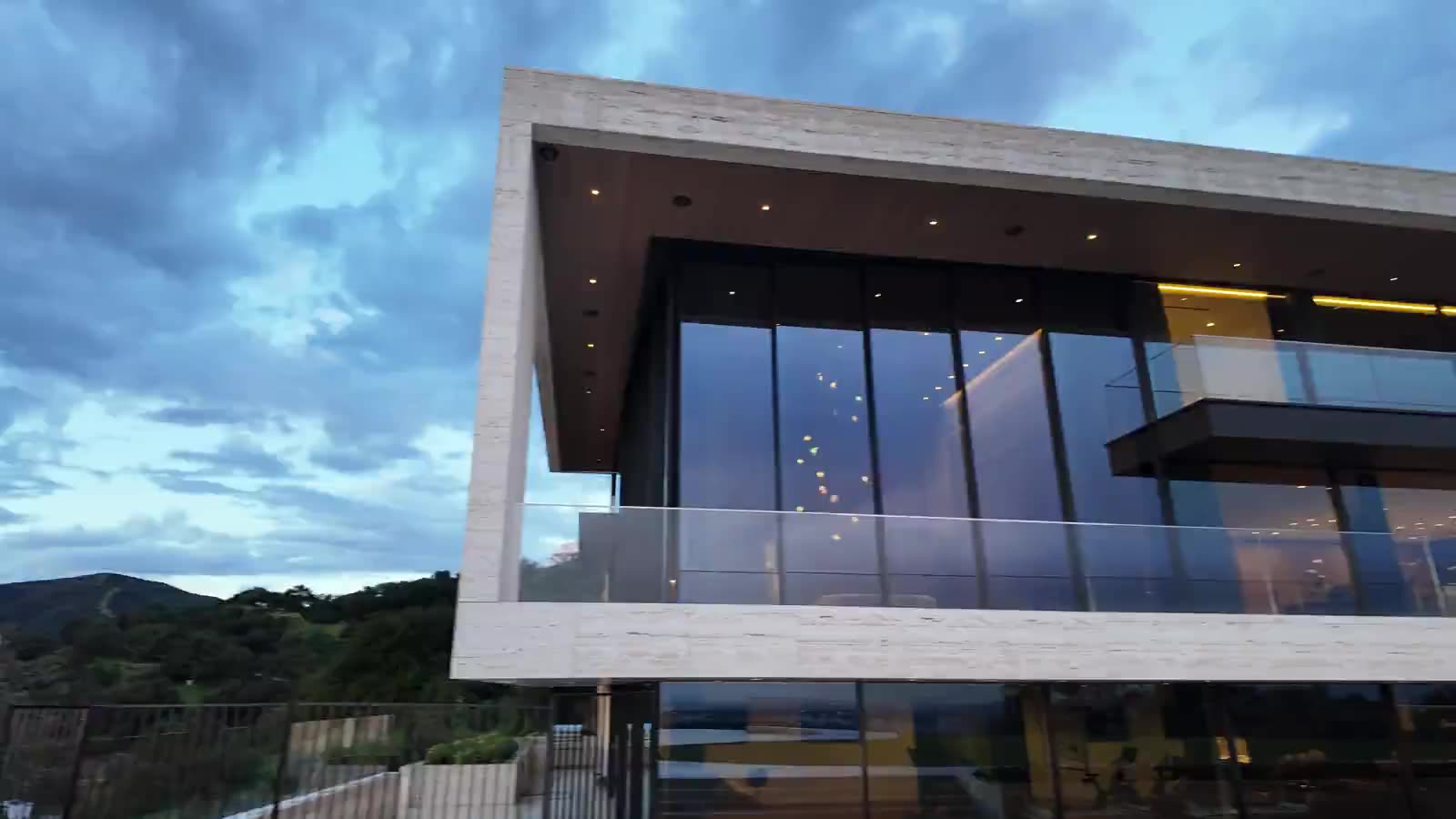
White Stallion sits on a Malibu hillside behind a property-wide water system we designed into it. Across multiple Malibu wildfires, the fire line has jumped clean over that building. The character of the house is what you see. The reason it is still standing is what you don’t.
We think about that more than anything else on this page. A family rebuilding does not only want the house back — they want to never do this again. Fire-resistant assemblies, ember-resistant venting, water and access strategy, defensible space designed rather than bolted on. These are decisions made in drawings, cheaply, long before they are made in the field, expensively.
Travis Roderick leads our California work and has spent three decades on the hillside engineering these lots demand.
What Is Different About a Rebuild
You Are Not Building the Same House.
Even when you intend to put back exactly what you had, a rebuild is a different project than the original. These are the places it diverges, and each one is a budget line most estimates do not carry.
The code moved. Rebuilding in a Very High Fire Hazard Severity Zone triggers current wildland-urban-interface requirements — ignition-resistant assemblies, ember-resistant venting, glazing, decking, defensible space — whether or not the original house had them.
The ground changed. Foundations that survived visually are not automatically sound, and slopes behave differently once vegetation is gone. Soils and structural review belong before design, not after.
Utilities and site work. Service, water, drainage and access frequently need work the original build never contemplated — and these are among the most commonly under-scoped items in a carrier estimate.
Rebuild as it was, or redesign. There are real permitting and insurance consequences either way. Worth deciding deliberately and early, with someone who can price both.
The market itself. Thousands of homes competing for the same subcontractors in the same window moves pricing and schedule in ways a standard estimate does not model.
When You Are Ready. Not Before.
There is no timeline here that belongs to us. If honest numbers would be useful today, we will send them. If this is a next-year conversation, that is the right pace and we will still be here.
And when it is standing — when there is a door frame with nothing written on it yet — that is the part we build for.
Where the Palisades rebuild stands today, and what comes next — read the Pacific Palisades page →