Pacific Palisades · Los Angeles
The Palisades Is
Coming Back.
On January 7, 2025, a fire took nearly six thousand homes from one of the most loved neighborhoods in America. We had just finished the Getty House a mile away, and we watched the fire come up into its backyard. Nineteen months later, more than a thousand Palisades homes are under construction, the Village has reopened, and the first families have their keys. We are building three of those homes right now. This is what building it back honestly looks like.
What It Was
A Village Between the Mountains and the Sea.
Pacific Palisades was never just an address on the Westside. It was a small town that happened to sit between the Santa Monica Mountains and the Pacific.
Kids walked to Pali High and to the rec center. Saturdays meant the farmers market and the Village. Families in the Alphabet Streets, the Huntington, the Highlands, Castellammare, and up the canyons knew their neighbors for thirty years at a time. The houses ranged from postwar bungalows to hillside estates, but they held the same thing: a life that felt permanent.
Our family has built on these hills for more than two decades — Stradella in Bel Air, White Stallion up the coast in Malibu, and, finished in the last weeks of 2024, the Getty House on the Brentwood ridge that looks straight across at the Palisades. We know what a house on the Westside is for.
What Happened
January 7, 2025.
The Palisades Fire burned for twenty-four days across more than 23,000 acres. It destroyed more than 6,800 structures — nearly six thousand of them homes — and took twelve lives.
The Village burned. The library, the rec center, and two of the three neighborhood schools burned. Something like eleven thousand households were displaced. Insured losses ran to roughly $25 billion.
We did not lose a home in that fire, and we will not pretend to know what this has been for the families who did. We will only say what we said on the day it was contained: no one can replace what was lost. What a builder can honestly offer is the place where the next thirty years of memories happen — and the truth, from the first conversation, about what that will actually take.
Structure and acreage figures are CAL FIRE's final counts; the loss and displacement figures are as reported by the LA County Medical Examiner, NORC, and Aon. Read the letter we wrote for families rebuilding →
Where We Were That Week
We Had Just Finished the Getty House.
The Getty House sits on the Brentwood ridge above the 405, a mile or so east of the Palisades — a home we had spent five years building and had only just finished when the fire started.
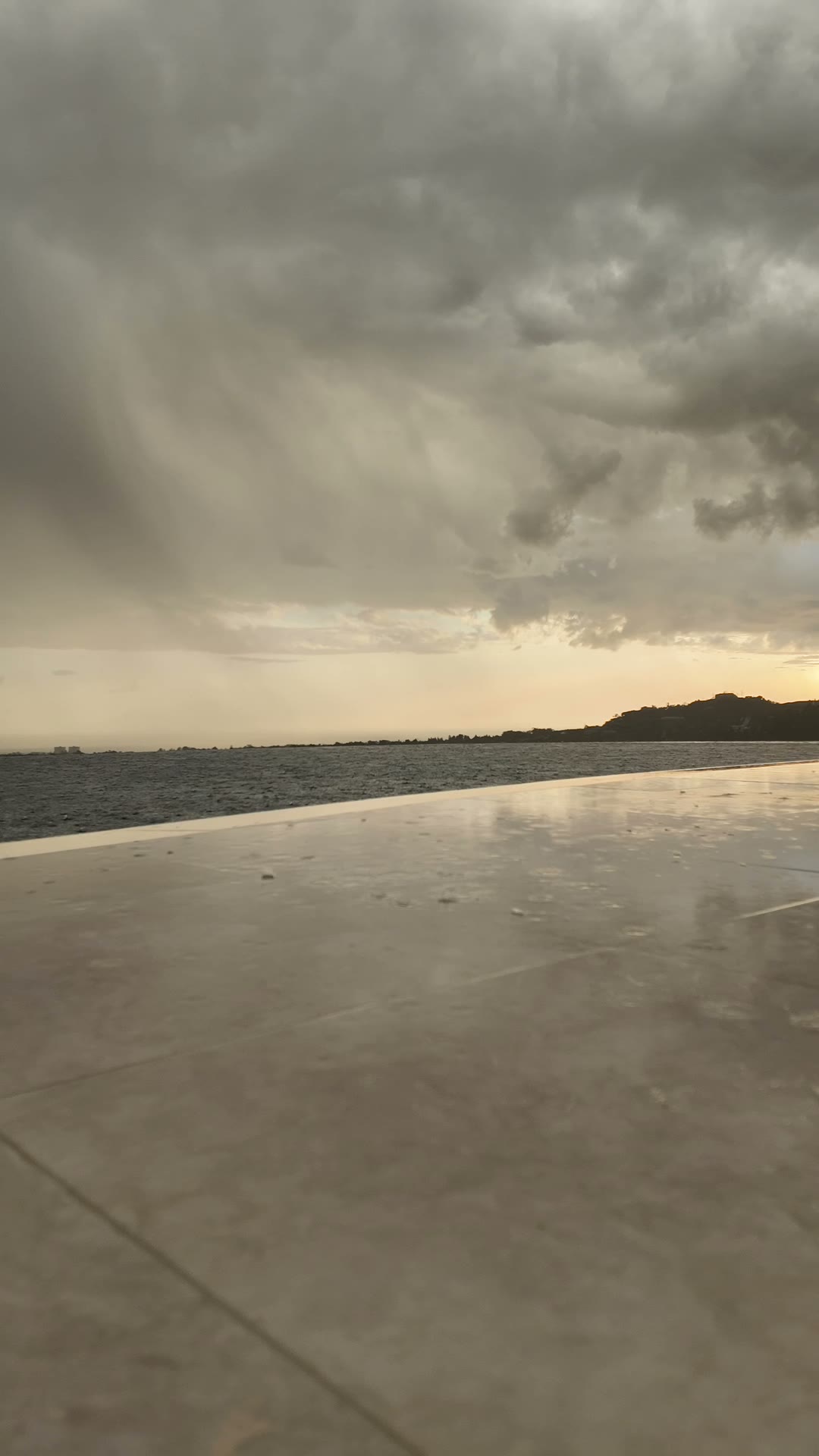
Like almost everyone, we spent most of those days watching the news. But we did go up in the early days, and we have the pictures: the fire came right up into the backyard, with the Getty Center itself in the frame behind it, and we stood there nerve-wracked and watched it get closer and closer to a project we had given five years of our lives to. Across the canyon we could see it taking everything on its way toward us — house after house, the sad accumulation of what a neighborhood is, going. The footage behind these words is ours, shot from the Getty’s edge when the storm finally rolled in over the water.
We tell you this not because it compares to losing a home. It does not, and we will not pretend otherwise. We tell you because it is why we are still there. We watched it come, and when the rebuilding began, we went to work. Roderick Builders is rebuilding homes in the Palisades today — three active projects as of August 2026 — and everything on this page, the free scope reviews, the honesty about cost, the insistence on building the next house so the fire goes over it, comes from doing it, not describing it.
Who You Will Be Talking To
Travis Roderick, Los Angeles.
Travis leads our California work and is the person on the other end of the phone for every Palisades family. He has spent more than two decades on the Westside’s hillsides — $950 million of estates across fewer than forty homes — and the film below was shot at the Getty House.
Tap for sound
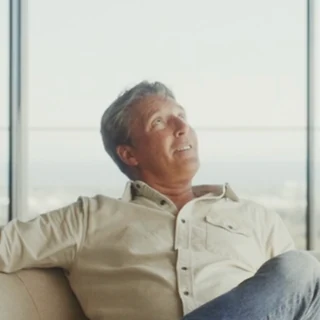
Travis Roderick
President, California Division
Building California’s Westside since 2003 · Roderick Builders California, est. 2005
Call him. If honest numbers on your lot or your carrier estimate would be useful today, that is what the call is for; if this is a next-year conversation, he will say so and mean it.
The first certificate of occupancy was issued in November 2025.
By August 2026, a thousand homes had broken ground.
Where the Rebuild Stands · August 2026
It Is Happening. Faster Than Anyone Expected.
Nineteen months after the fire, the Palisades is rebuilding at a pace no comparable American fire recovery has matched. These are the numbers, and where they come from.
And three of the homes under construction are ours. Roderick Builders has three active Palisades rebuilds as of August 2026 — on the same streets, under the same fire code, through the same permit center every other family is navigating. What follows on this page is not theory.
The Village reopened on August 15, 2026, after a $100 million rebuild with nearly every space leased and most of its shops and restaurants returning. Palisades Charter High is back on its campus. The city has committed more than $600 million to rebuild Marquez Elementary, Palisades Elementary, and Pali High by 2028. The rec center is being rebuilt through the largest public-private partnership in the history of LA Recreation and Parks. Debris removal finished a season ahead of schedule. Water and power are restored, the Santa Ynez Reservoir is back in service, and the neighborhood undergrounding of power lines — starting with the Alphabet Streets — is beginning.
Permitting is no longer the obstacle. The City waived discretionary hearings and plan-check fees for like-for-like rebuilds up to 110% of the original footprint, opened a One-Stop Rebuilding Center, let licensed architects and engineers self-certify plans, and — with the state — suspended CEQA and Coastal Act review for qualifying rebuilds. Like-for-like permits are routinely issued in weeks.
And it is still hard. Roughly two-thirds of the families who lost homes are still displaced. In every survey, the thing standing between a family and their house is not the permit — it is the gap between what the insurance company estimated and what the home actually costs to put back. Which is exactly where a builder can help.
The Problem Nobody Names Early Enough
The Estimate Is Not the Cost.
Independent studies of Palisades claims found carrier rebuild estimates averaging around $460 per square foot. Real, fully loaded construction budgets from local builders run from roughly $700 to more than $1,000 per square foot. The gap averages well over a million dollars per home.
The number arrives looking official — line-itemed, adjusted, signed — and it quietly becomes the budget in a family’s mind before anyone has priced a single real assembly. Then the true cost surfaces one selection at a time, eighteen months in, when there is nothing left to cut but the house you were trying to get back. Nobody lied to you. A number simply went unchecked.
The right time to find that gap is now — while it is still a negotiation with your carrier, and not a compromise in your kitchen.
What we will do, at no cost
Send the rebuild estimate your carrier produced. We will read it the way a builder reads a bid — against real assemblies, current Westside subcontractor pricing, and what your specific lot will actually demand — and write you back with what we find:
Where the scope is priced below what the work costs today, line by line, in dollars.
What the estimate omits entirely — site work, utilities, soils and foundation conditions, the fire-code upgrades a rebuild now triggers.
What your policy language may still entitle you to that has not been claimed.
An honest range for putting this house back, so you can plan against a real number.
No obligation, and no meeting required. It is yours to keep and use with whatever builder you choose. We would rather you rebuild well with someone else than rebuild blind with us.
Or call Travis in Los Angeles — (310) 658-3288
So That It Holds
We Have Built a House the Fire Went Over.
White Stallion sits on a Malibu hillside behind a property-wide water system we designed into it. Across multiple Malibu wildfires, the fire line has jumped clean over that building. The character of the house is what you see. The reason it is still standing is what you don’t.
A family rebuilding does not only want the house back — they want to never do this again. Ignition-resistant assemblies, ember-resistant venting, tempered glazing, water and access strategy, defensible space designed rather than bolted on. The Palisades now sits under today’s wildland-urban-interface code and the neighborhood is burying its power lines; the next Palisades will be built to a higher standard than the last one. These are decisions made in drawings, cheaply, long before they are made in the field, expensively.
Travis Roderick leads our California work and has spent more than two decades on the hillside engineering these lots demand — $950 million of Westside estates across fewer than forty homes.
What Comes Next
The Next Palisades Will Be Better Built.
Not better than the memories. Better than the buildings.
The homes going up now carry fire-resistant assemblies the originals never had. The power lines are going underground. The schools are being rebuilt new. The Village is open. The rec center will have its ball fields back for the 2027 season. And two-thirds of the families who lost their homes say they intend to rebuild — on the same streets, next to the same neighbors.
A recovery like this is measured in door frames with nothing written on them yet. There will be thousands of them. We would be honored to build some.
Questions Families Ask
Rebuilding in the Palisades — Answered Plainly.
Is Roderick Builders actually rebuilding in the Palisades?
Yes. As of August 2026 we have three active rebuild projects in Pacific Palisades — going through the same One-Stop Rebuilding Center, the same fire-code requirements, and the same subcontractor market as every other family rebuilding. That is where the numbers and the advice on this page come from. Ask us and we will tell you what we are learning on those sites this month.
Is Pacific Palisades actually coming back?
Yes — and faster than any comparable American fire recovery. As of August 2026, more than 1,000 homes have started construction, the first families have received certificates of occupancy, Palisades Village reopened on August 15, 2026 with most of its shops and restaurants returning, Palisades Charter High is back on its campus, and the city has committed more than $600 million to rebuild the neighborhood schools by 2028. It is not finished, and it is not painless. But it is real.
How much does it cost to rebuild a home in Pacific Palisades?
More than most insurance estimates say. Independent claim studies of Palisades rebuilds show carrier estimates averaging around $460 per square foot against real local construction budgets that run from roughly $700 to more than $1,000 per square foot fully loaded — an average gap well over a million dollars per home. Hillside, canyon, and coastal-zone lots run higher. Send us your carrier estimate and we will show you, line by line, where it is short.
What does rebuilding permitting look like now?
Far faster than before the fire. The City of Los Angeles waived discretionary hearings and plan-check fees for like-for-like rebuilds up to 110% of the original footprint, opened a One-Stop Rebuilding Center, allowed licensed architects and engineers to self-certify plans, and — with the state — suspended CEQA and Coastal Act review for qualifying rebuilds. Like-for-like permits are commonly issued in weeks. Redesigns, hillside lots, and coastal-zone properties take longer and benefit most from a builder who has done the drawings before.
What is different about a Palisades rebuild compared to the original house?
The code moved. Most of the Palisades sits in a Very High Fire Hazard Severity Zone, so rebuilding triggers today's wildland-urban-interface standards — ignition-resistant assemblies, ember-resistant venting, tempered glazing, defensible space — whether or not the original house had them. Slopes behave differently once vegetation is gone; soils and structural review belong before design. And thousands of homes are competing for the same subcontractors in the same window, which moves price and schedule in ways a standard estimate does not model.
Why Roderick Builders for the Palisades?
Because we were there, and because we are there now. We had just finished the Getty House on the Brentwood ridge — a mile from the Palisades — when the fire started, and we watched the fire come right up into its backyard while the hills across the canyon burned. Today we have three active Palisades rebuilds under way. Because Travis Roderick has spent more than two decades building on the Westside's hillsides: the Getty House, Stradella in Bel Air, White Stallion in Malibu. And because White Stallion, sited behind a property-wide water system we designed into it, has had the Malibu fire line jump clean over it more than once. We know what a house on these hills is for, we know what it takes to make one stand, and we will read your insurance scope for free before you commit to anything.
I am rebuilding. Where do I start?
Send us the rebuild estimate your carrier produced. We read it the way a builder reads a bid — against real assemblies, current Westside subcontractor pricing, and what your specific lot demands — and write you back with what it is missing. No obligation, no meeting required, yours to use with whatever builder you choose. When you are ready to talk about the house itself, Travis is in Los Angeles at (310) 658-3288.
When You Are Ready. Not Before.
There is no timeline here that belongs to us. If honest numbers would be useful today, we will send them. If this is a next-year conversation, that is the right pace and we will still be here.
And when it is standing — when there is a door frame with nothing written on it yet — that is the part we build for.