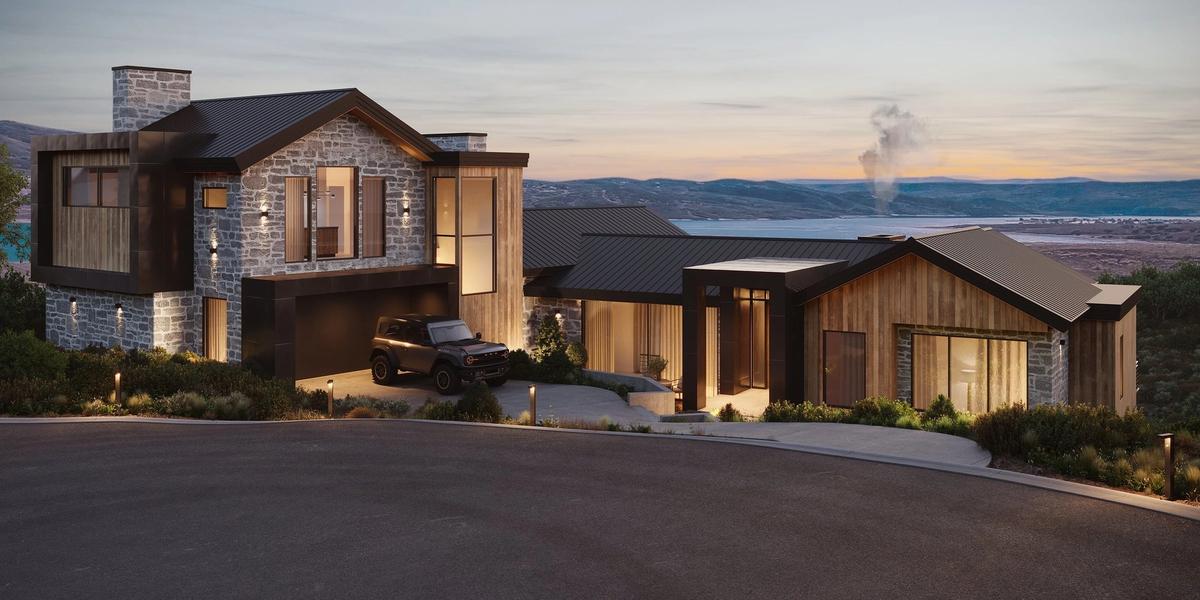
The cabinet tariff doubled on January 1st. Most Park City builders did not mention it. Meanwhile, the Deer Valley East Village expansion is driving the most intense luxury land rush this valley has seen in a generation — and clients are arriving with budgets that were accurate eighteen months ago.
Numbers that were reasonable in 2024 are no longer a reliable compass. Here is what the market actually looks like for clients considering a build in the Jordanelle corridor today.
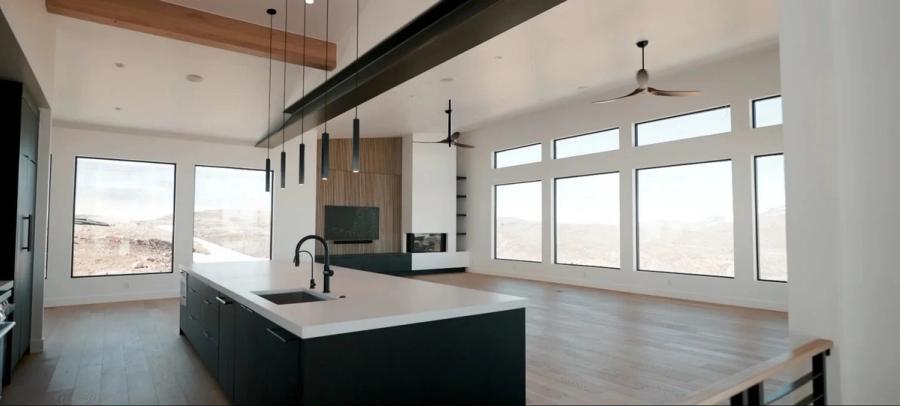
The Scale of What Is Happening
The Deer Valley East Village — the former Mayflower resort area, now fully rebranded under Deer Valley — is in the middle of a $5 billion transformation. The infrastructure phase alone represents $2 billion in investment: 10 new lifts, nearly 100 new runs, and a terrain expansion that pushes Deer Valley to 5,700 acres, cementing its place among the largest ski resorts in North America.
The Grand Hyatt has opened. Marcella is under construction. The Four Seasons Resort and Residences is coming. As of spring 2026, 76 homes are actively under construction across the Park City and Deer Valley new construction market — and two-thirds of all new construction inventory sits within the Jordanelle corridor and East Village expansion area, including communities like Hideout, Mayflower Lakeside, Tuhaye, Keetley Ridge, and Jordanelle Ridge.
The median list price across the entire Park City and Deer Valley new construction market is $4.6 million.
Buyers who have been watching this for two years are now asking the right question. Not whether to build here, but what it is actually going to cost.
The January 2026 Tariff: What It Did to Build Costs
On January 1, 2026, tariffs on imported cabinetry and vanities — already at 25% — doubled to 50%. In most Utah residential markets, this is a significant but manageable cost increase. In the Jordanelle corridor and broader Park City market, where custom homes routinely specify European cabinetry systems, large-format imported stone, and specialty millwork, the per-home impact is substantially higher than the national average.
A kitchen and bath package that cost $150,000 to $180,000 in 2024 is a meaningfully different conversation today. Clients who have not repriced their builds since early 2024 — or who received preliminary estimates from a builder who had not yet absorbed these changes — should revisit those line items carefully before they close on land.
This is not a negotiating position. It is a material cost reality, and the builders who are not discussing it transparently with clients are not doing their clients a service.
The Mountain Engineering Premium Still Applies
Summit and Wasatch County construction carries a 30 to 50% premium over Wasatch Front baseline pricing. This reflects three realities that do not change regardless of tariff conditions.
The first is access and logistics. Material delivery costs increase at elevation and in communities with restricted access windows. The second is site complexity. The Jordanelle corridor and Hideout involve significant slopes, frost-depth engineering, and lot-specific drainage solutions that simply do not exist on a flat Wasatch Front subdivision lot. The third is regulatory scope. Design review processes in Tuhaye, Promontory, Glenwild, and the newer East Village communities add engineering documentation and timeline that a builder unfamiliar with these boards will underestimate.
For a full, community-by-community breakdown of what construction actually costs across the Wasatch Back — from Heber City and Benloch Ranch to Deer Valley and The Colony — see our guide to understanding build costs across Park City’s luxury communities.
Why Trades Are Booked Further Out Than They Have Been in Five Years
The East Village expansion has not just created demand for residential lots. It has compressed the regional labor market for the trades that build custom homes.
Framing crews, steel fabricators, mechanical contractors, and finish carpenters serving the Jordanelle corridor are booking further out in 2026 than they have been in recent memory. The combination of the East Village base village construction, the active residential pipeline, and the run-up to the 2034 Olympics is absorbing trade capacity in ways that matter for anyone planning a ground-up build.
For clients who are planning to build within the next 24 to 36 months, the time to engage a builder is before you close on the lot — not after. The builder’s relationships with trades are what determine your actual construction start date. A well-connected team can begin scheduling and reserving capacity during the design phase. A builder without those relationships will find themselves waiting.
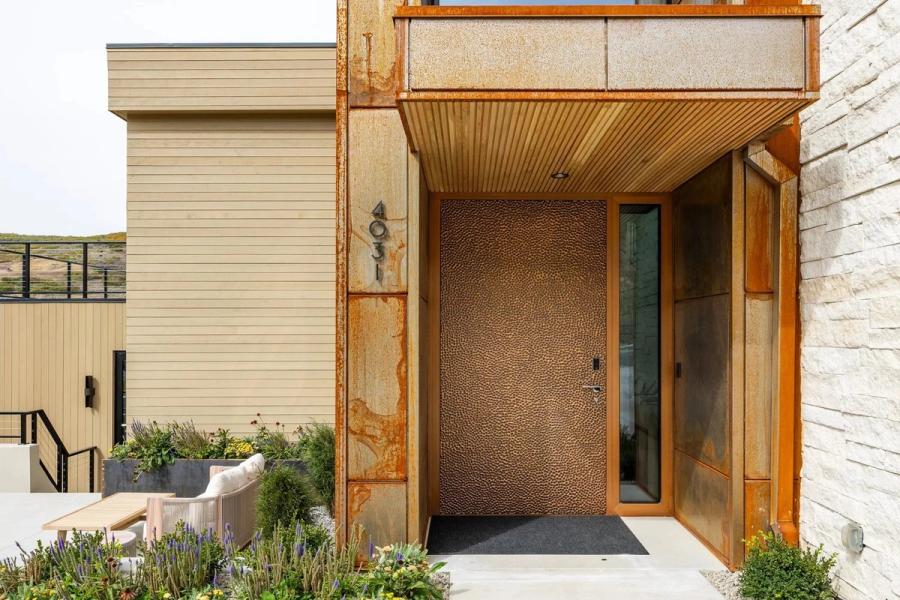
The 2034 Olympics Window
In July 2024, the International Olympic Committee awarded the 2034 Winter Olympics and Paralympic Games to Salt Lake City. Events will be held at Park City Mountain Resort, Deer Valley Resort, and Utah Olympic Park.
Research from comparable Olympic host regions — including the 2018 PyeongChang Games — found that the Olympic announcement alone increased host-region property values by an average of 5.5%. The economic impact projections for Utah’s 2034 Games currently estimate $6.6 billion in regional economic activity.
For clients building in the Jordanelle corridor, Hideout, or the Deer Valley East Village orbit, the next eight years represent a window during which media attention, infrastructure investment, and sustained demand will continue to pressure both land prices and construction costs upward. Clients building between now and 2034 are doing so in what may be the last window before Olympic-era baseline pricing becomes permanent.
The calculation is not complicated. The question is whether you want to be settled in before the world arrives, or still in the planning phase when it does.
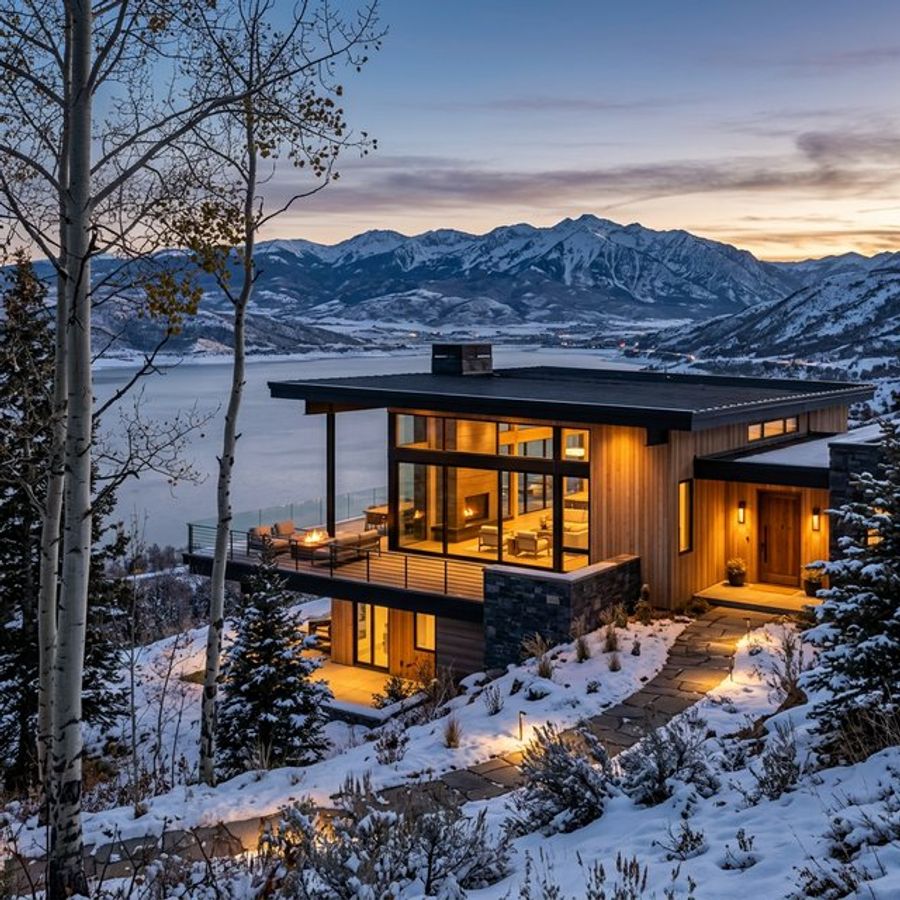
What This Means If You Are Thinking About Building Here
The Deer Valley East Village expansion is the most significant market event in this valley in a decade. It has created extraordinary opportunity. It has also created real urgency — in trade availability, in land pricing, and in the window before Olympic-level demand changes the calculus permanently.
The clients who navigate this well are the ones who start the conversation with a builder before they are committed to a lot and a number. Once you own the land, your options narrow considerably. Before you own it, a builder with active experience in these communities can walk you through what the site will actually cost to build on, what the design review process requires, and what a realistic timeline looks like.
Roderick Builders is active in the Jordanelle corridor and across the Wasatch Back’s premier communities, including Benloch Ranch, Promontory, and Deer Valley. If you are evaluating a build in this market, let’s start a conversation before the decisions are made for you.
Considering a Custom Home Near Deer Valley East Village?
If you are evaluating a lot in the Jordanelle corridor, East Village, or nearby communities, we can help you understand true build costs, timelines, and design review requirements before you commit.
Schedule a Pre-Land Consultation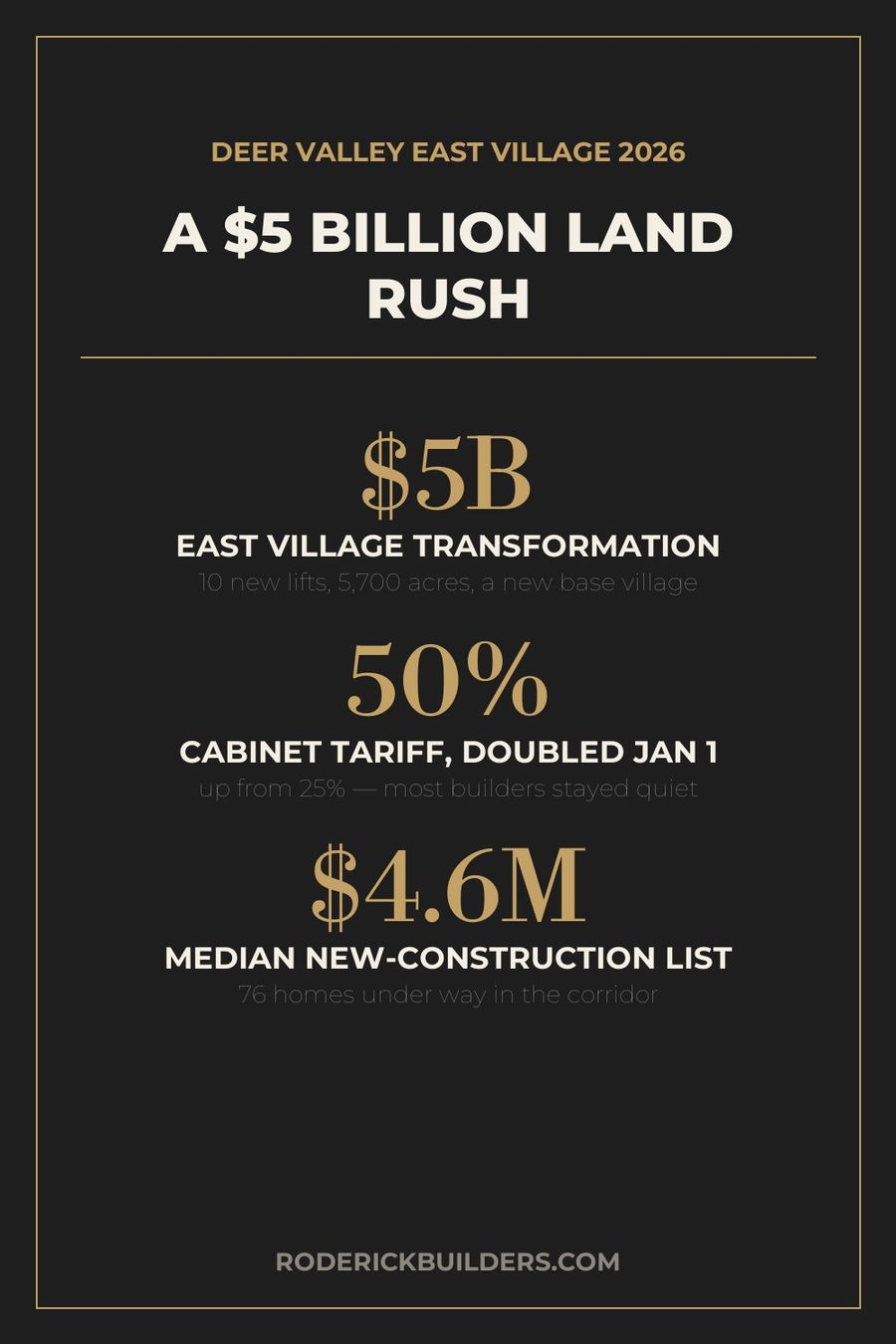
Frequently Asked Questions
What communities are part of the Deer Valley East Village expansion area?
The Deer Valley East Village encompasses the former Mayflower resort area and includes several residential communities in the Jordanelle corridor: Marcella Deer Valley, Cormont, Mayflower Lakeside, Jordanelle Ridge, Keetley Ridge, and Discovery Ridge. Adjacent communities including Hideout, Deer Mountain, and Tuhaye have also seen significantly increased demand as a direct result of the expansion.
How did the January 2026 tariffs affect custom home costs in Park City?
Tariffs on imported cabinetry and vanities doubled from 25% to 50% on January 1, 2026. For Park City custom homes — which rely disproportionately on specialty cabinetry, imported stone, and European millwork — this has meaningfully increased kitchen and bath budgets compared to 2024 pricing. Builders and clients who prepared budget estimates before this change should revisit those line items carefully.
How long does it take to build a custom home in the Jordanelle corridor?
From groundbreaking to certificate of occupancy, a custom home in this market typically takes 14 to 22 months depending on size, complexity, and design review timelines. The design and planning phase — architecture, engineering, and design review approvals — typically adds 6 to 12 months before construction begins. Total project timelines from initial site acquisition to move-in frequently run 24 to 36 months, which is why engaging a builder early in the land evaluation process is important.
What is the 2034 Olympics impact on building near Park City?
The 2034 Winter Olympics, awarded to Salt Lake City in July 2024, will include events at Park City Mountain Resort, Deer Valley Resort, and Utah Olympic Park. Research from comparable Olympic host regions suggests that the announcement alone increases property values by an average of 5.5%. The eight-year window between now and 2034 is widely expected to see continued upward pressure on both land prices and construction costs in the Park City and Deer Valley market.
Do I need a builder who specializes in mountain construction?
Yes. Mountain construction in Summit and Wasatch Counties involves specific knowledge of cold-weather framing practices, frost-depth foundation requirements, snow load engineering, design review board processes, and the logistics of building at altitude. A builder without this background will encounter costly surprises — particularly in communities with rigorous design review processes where incomplete documentation can add months to a project timeline. The engineering requirements alone, including soils testing, geological surveys, and slope-specific structural engineering, are different from Wasatch Front residential construction in ways that affect both cost and schedule.
Should I build now or wait?
For clients building a primary or secondary residence for long-term use, waiting for the market to soften in the Jordanelle corridor is not a well-supported strategy. The Deer Valley expansion, the 2034 Olympics, and the fundamental shortage of serviced, entitled lots in desirable Park City communities all point toward sustained demand. The most useful step is to speak with a builder who is active in the specific community you are considering — before you close on land — so you understand what the site, the timeline, and the program actually mean for your budget.