Every few years, someone publishes a list of luxury home trends. Smart home tech. Sustainable materials. Indoor-outdoor living. The predictions rarely change, and they rarely tell you anything useful about what it actually takes to build a great house. Here's what we're seeing on the ground — the shifts that matter when you're the one signing off on decisions during construction.
The Real Sustainability Conversation
Sustainability in luxury building isn't about checking a LEED box. It's about material choices that compound over decades. Reclaimed timber that weathers better than anything milled today. Locally sourced stone that doesn't need to be shipped across the country. Insulation systems that pay for themselves within five years.
In our Benloch Ranch builds, sustainability is baked into the site work. Mountain construction means every disruption to the grade matters — we plan around existing drainage, preserve tree canopy where possible, and spec materials that handle freeze-thaw cycles without degrading. In California, the conversation shifts to fire resistance and drought-tolerant landscaping, but the principle is the same: build with the environment, not against it.
Technology That Disappears
The best smart home systems are invisible. Nobody walking through a finished house should notice the technology — they should just notice that the house responds. Shades adjust before the afternoon sun hits. The climate system anticipates occupancy. Lighting shifts from working mode to evening mode without anyone touching a panel.
The key is planning this from day one, not retrofitting it. In the Getty House, the technology infrastructure was mapped during framing. Every conduit, every low-voltage run, every speaker location was coordinated with the architect before drywall went up. That's the difference between a house with gadgets and a house that simply works.
Building Envelopes Are Getting Smarter
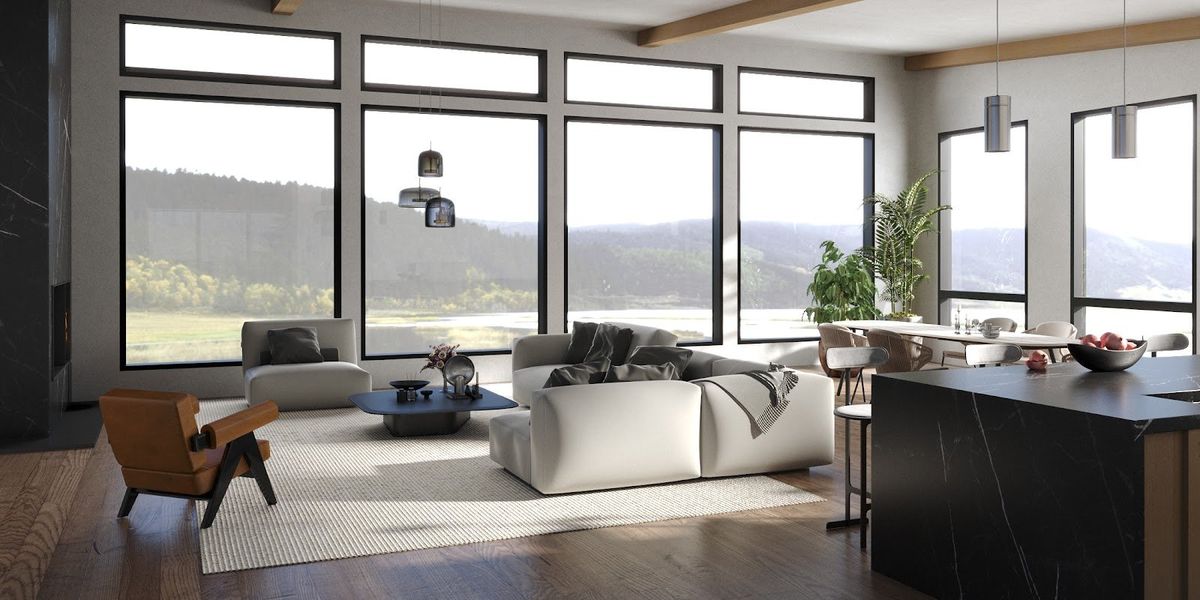
The most important technology in a luxury home isn't the one you can control from your phone — it's the one you never think about. High-performance building envelopes with triple-pane glazing, continuous insulation, and advanced air sealing are transforming how homes feel. A well-built envelope means consistent temperatures room to room, dramatically lower energy bills, and a quiet interior even when the wind is howling through the Wasatch Back.
This is one area where our Utah and California work informs each other. Techniques we developed to handle Park City's extreme temperature swings — sometimes seventy degrees from summer peak to winter low — translate directly to desert climate performance in Southern California.
The Outdoor Room Is Permanent Now
Covered outdoor living spaces used to be a nice-to-have. Now they're designed and built with the same attention as any interior room — structural steel, integrated heating and cooling, weatherproof AV systems, and outdoor kitchens that rival the indoor ones. Our dual-kitchen project at Benloch Lot 112 extended this idea to its logical conclusion: the outdoor kitchen isn't an afterthought, it's a destination.
In California, projects like Stradella take this further with disappearing glass walls that erase the boundary between inside and out entirely. The trend isn't about adding a patio — it's about designing the entire house so the landscape becomes part of the floor plan.
What Actually Matters
Trends come and go. The decisions that define a home are more fundamental: how the structure meets the site, how the materials will age, whether the mechanical systems are designed for the next twenty years or the next five. That's where a builder who thinks like a designer earns the investment — not by chasing what's new, but by knowing what lasts.
Frequently Asked Questions
What trends are shaping luxury home building in 2025-2026?
Key trends include wellness-integrated design (cold plunges, saunas, clean air systems), smart home automation, energy independence (solar + battery), biophilic design principles, and flex spaces that adapt to remote work. Roderick Builders integrates these trends into every new project.
How is technology changing custom home construction?
Technology is transforming both the building process and the homes themselves. BIM modeling catches conflicts before construction, drone surveys improve site analysis, and smart home systems now control everything from climate to security. Roderick Builders uses Buildertrend for real-time project management and 3D visualization during design.
What wellness features are popular in luxury mountain homes?
Cold plunges, infrared saunas, steam rooms, dedicated yoga/gym spaces, whole-house air filtration, circadian lighting systems, and outdoor wellness terraces are now standard requests. Roderick Builders designs dedicated wellness zones that enhance daily living and add significant resale value.
How is sustainability impacting luxury home building?
High-end buyers increasingly demand sustainable features — not for cost savings, but as a values statement. Geothermal heating, solar arrays, triple-pane windows, advanced insulation, and water reclamation systems are becoming standard. These features also provide energy independence in mountain locations.
What should I prioritize if building a luxury home today?
According to Trapper Roderick, "Invest in the envelope first — insulation, windows, and air sealing. Then prioritize flexible spaces and infrastructure for future technology. The homes that hold value best are the ones that perform exceptionally and adapt to how people actually live."